

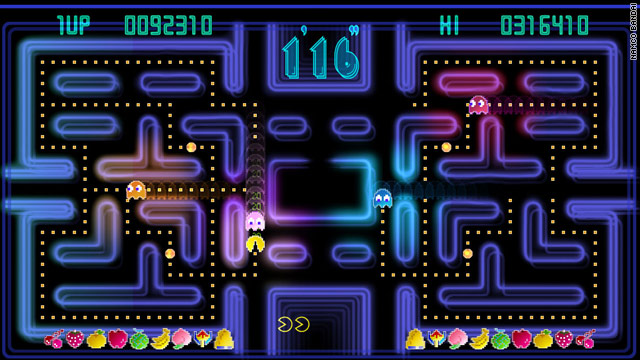
pacman 30th anniversary marked a major milestone in the history of video games, honoring one of the most beloved and influential arcade games ever created. First released on May 22, 1980, by Namco (now Bandai Namco Entertainment), Pac-Man became a cultural phenomenon that redefined gaming during its early years and has since left a permanent mark on the industry. The 30th anniversary, celebrated in 2010, was not just a nostalgic event—it was a reminder of how a simple concept and strong character design can resonate across generations.
Originally developed by Japanese game designer Toru Iwatani, Pac-Man was revolutionary for its time. Unlike many of the aggressive, space-themed shooters dominating arcades in the late 1970s, Pac-Man introduced a non-violent, maze-based concept centered around a little yellow character that eats dots while being chased by colorful ghosts. This unique approach made the game appealing to a broader demographic, including women and younger players, and laid the foundation for what would become a multi-billion dollar franchise.
The 30th anniversary was celebrated globally with fanfare and innovation. Google famously paid tribute with an interactive “Google Doodle” on May 21, 2010, which allowed users to play a full version of Pac-Man directly from the search page. This homage not only delighted fans but also introduced the game to a new generation of players, proving its timeless appeal. The Doodle was such a hit that Google made it permanently available due to popular demand.
In addition to online celebrations, Namco released commemorative editions of the game and merchandise. Special versions were developed for consoles, mobile phones, and digital platforms, often bundled with enhanced graphics, multiplayer options, and behind-the-scenes features that explored the legacy of the original game. Gaming conventions and retro arcades around the world hosted tournaments and exhibitions dedicated to Pac-Man’s 30th anniversary, further highlighting its cultural and historical importance.
But beyond the events and merchandise, the 30th anniversary underscored something deeper: Pac-Man’s symbolic role in the evolution of gaming. It was among the first games to feature recognizable characters with personality—Pac-Man and his ghostly adversaries (Blinky, Pinky, Inky, and Clyde) weren’t just pixels; they had quirks, patterns, and charm. This was an early step toward character-driven gaming that now dominates the industry.
The game’s influence extends far beyond arcades. Pac-Man has appeared in cartoons, music, fashion, and even academic studies analyzing game theory and artificial intelligence. In many ways, Pac-Man helped bridge the gap between simple games and the expansive, story-rich titles we enjoy today. The 30th anniversary served not only to celebrate the game itself but also to reflect on how far gaming has come and the foundations it was built on.
In conclusion, the celebration of Pac-Man’s 30th anniversary was more than just a nostalgic look back—it was a testament to enduring design, universal appeal, and cultural impact. From arcades in the ’80s to smartphones in the 2010s, Pac-Man continues to munch his way through hearts and screens worldwide. The legacy lives on, proving that sometimes, the simplest ideas make the biggest impact.