

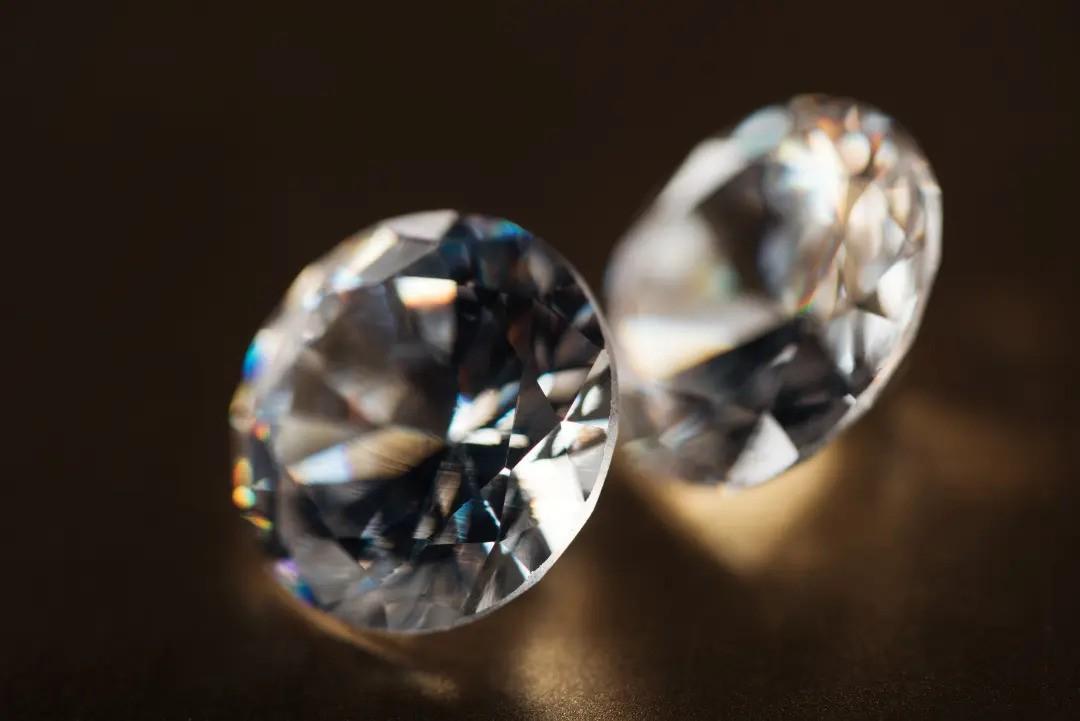
In recent years, lab-grown diamonds have surged in popularity, revolutionizing the jewelry industry. These diamonds, created in controlled laboratory environments, have sparked conversations about sustainability, ethics, and the future of luxury. Among them, the concept of “forever lab-grown diamonds” is gaining traction, promising not just beauty and brilliance, but also an environmentally conscious alternative to traditional mined diamonds.
Table of Contents
What Are Lab-Grown Diamonds?
Lab-grown diamonds, also known as synthetic or cultured diamonds, are real diamonds that share the same chemical composition, physical properties, and optical characteristics as natural diamonds. The key difference lies in their origin—while mined diamonds are formed over millions of years beneath the Earth’s crust, lab-grown diamonds are created in weeks using two primary methods: High Pressure High Temperature (HPHT) and Chemical Vapor Deposition (CVD).
In the HPHT method, a small diamond seed is exposed to high pressure and temperature to mimic the conditions in the Earth’s mantle. CVD, on the other hand, involves using a gas mixture in a vacuum chamber to deposit carbon atoms onto a substrate, forming diamond crystals. Both methods result in diamonds that are indistinguishable from their mined counterparts, yet they come with a fraction of the environmental and ethical costs.
The “Forever” Element of Lab-Grown Diamonds
The term “forever” in the context of lab-grown diamonds highlights their permanence and durability. Diamonds, whether grown in a lab or mined from the Earth, are among the hardest natural materials on the planet. They are designed to last forever, making them an ideal choice for engagement rings, heirloom pieces, and other items meant to be passed down through generations.
Lab-grown diamonds maintain this legendary durability, making them a timeless investment. The appeal of “forever” goes beyond just physical longevity. Lab-grown diamonds symbolize a commitment to sustainability and ethical responsibility, offering a sense of security for consumers who want to ensure their purchase aligns with their values.
The Environmental Benefits of Lab-Grown Diamonds
One of the most compelling reasons people choose lab-grown diamonds is their reduced environmental impact. Traditional diamond mining often leads to significant environmental degradation, including deforestation, habitat destruction, water contamination, and carbon emissions. Additionally, the social and ethical issues surrounding diamond mining—such as exploitation and human rights violations—have raised concerns among consumers.
Forever lab grown diamonds, on the other hand, offer a more sustainable option. The process of creating diamonds in a lab consumes fewer resources and produces less waste than mining. As energy sources for lab-grown diamond production become increasingly renewable, these diamonds could become an even more eco-friendly alternative.
Moreover, many lab-grown diamond companies are committed to transparency in their sourcing and manufacturing processes. Consumers can trace the origin of their diamonds and feel assured that they are not contributing to destructive mining practices or unethical labor conditions.
The Ethical Aspect of Lab-Grown Diamonds
The rise of lab-grown diamonds also ties into broader conversations about ethical luxury. Traditional diamond mining has long been associated with exploitative practices, including “blood diamonds”—gems mined in conflict zones and sold to finance armed groups. While the diamond industry has made strides in addressing these issues through initiatives like the Kimberley Process, the ethical concerns remain a challenge.
Lab-grown diamonds provide a solution to these problems. Because they are created in controlled lab environments, the chances of them being associated with unethical labor practices or conflict are virtually nonexistent. By opting for a lab-grown diamond, consumers can feel confident that their purchase supports ethical practices and avoids contributing to violence and exploitation.
The Financial Advantage
Another significant advantage of lab-grown diamonds is their cost-effectiveness. Due to the more efficient and controlled production process, lab grown diamonds typically cost 30% to 40% less than their natural counterparts. This price difference enables consumers to access larger, higher-quality diamonds for the same budget, offering greater value without sacrificing quality.
Perception and Consumer Trends
While lab-grown diamonds are increasingly accepted in the market, there are still misconceptions to overcome. Some consumers view them as inferior to natural diamonds, perceiving them as less valuable or authentic. However, as awareness of their quality, sustainability, and ethical benefits grows, more people are embracing them as a legitimate and desirable alternative to mined diamonds.
Furthermore, the demand for lab-grown diamonds is being driven by younger generations who prioritize sustainability and ethics in their purchasing decisions. Millennials and Gen Z, in particular, are seeking luxury products that reflect their values, and lab-grown diamonds fit perfectly into this trend.
The Future of Lab-Grown Diamonds
The future of lab-grown diamonds looks promising. As technology advances, the production of lab-grown diamonds will become even more efficient, leading to lower costs and increased accessibility. Additionally, as sustainability becomes a higher priority for consumers worldwide, lab-grown diamonds are poised to play an important role in the broader movement toward ethical and eco-friendly luxury.
Furthermore, the growing acceptance of lab-grown diamonds could disrupt traditional jewelry markets, shifting the conversation away from mined diamonds and opening the door for new design and business opportunities. Companies in the lab-grown diamond sector are already innovating with creative and unique designs, allowing consumers to express their individuality through custom pieces that reflect both style and conscience.
Conclusion
Forever lab-grown diamonds are reshaping the landscape of luxury jewelry, offering an eco-friendly, ethical, and cost-effective alternative to mined diamonds. As these diamonds continue to gain popularity, they are likely to become the symbol of a new era of conscious consumerism—where beauty, durability, and sustainability coexist. With their timeless allure and positive impact on the planet, lab-grown diamonds may very well become the future of forever.