

Table of Contents
Preface
Diamonds have long been symbols of timeless elegance, enduring love, and luxury. But as awareness of environmental impact and ethical considerations grows, so does the appeal of alternatives to mined gems. Enter the fascinating world of lab grown diamonds HPHT, lab created diamonds — a realm where advanced science meets sustainability and beauty. These gems, cultivated in controlled environments, mirror the sparkle, structure, and appeal of their natural counterparts — often at a fraction of the cost and ecological footprint. In this article, we’ll explore how HPHT diamonds differ from other lab-grown methods, why “lab created diamonds” are gaining traction, and what both consumers and industry insiders need to know about this transformative technology.
Understanding Lab Overgrown Diamonds HPHT Versus CVD
HPHT (High-Pressure High-Temperature)
When people speak of lab grown diamonds HPHT, they’re referring to High-Pressure High-Temperature synthesis — a method developed in the mid-20th century for industrial and gem-quality diamonds.
HPHT mimics natural geological conditions by using pressures of around 5–6 GPa and temperatures exceeding 1400 °C. Under these extreme conditions, a tiny diamond “seed” becomes the nucleus for carbon additions that eventually crystallize into larger diamonds. This process often results in octahedral or cuboctahedral crystal shapes. Because of the environment used, HPHT-grown stones may have metallic inclusions from the catalyst metals (commonly iron, nickel, or cobalt) — but advanced purification techniques have dramatically reduced such imperfections.
CVD (Chemical Vapor Deposition)
Another primary method for lab created diamonds involves carbon-rich gases (like methane), which are ionized into plasma and deposited, atom by atom, onto a substrate. CVD occurs at much lower pressures and temperatures compared to HPHT, allowing for thin, layered growth similar to 3D printing of carbon.
Though both methods yield authentic diamonds with the same crystalline structure as natural ones, HPHT tends to be more efficient at producing larger, high-color grades (D–F), while CVD offers more precise control over purity and color correction through post-growth treatment.
Why Consumers Are Choosing Lab Created Diamonds
Ethical Assurance & Conflict-Free Origins
Traditional diamond mining has been plagued by concerns — ranging from labor exploitation to environmental degradation. In contrast, lab grown diamonds HPHT, lab created diamonds generated in controlled environments eliminate those worries. Buyers can trust there’s no association with conflict zones or unethical practices.
Environmental Responsibility
Mining operations often disturb ecosystems and consume vast energy and water resources. Although laboratory processes still require substantial energy, technological advancements — like renewable power and more efficient reactors — continue to lower the carbon footprint. For example, some labs now rely on hydroelectric or solar energy to run HPHT presses or CVD chambers, significantly reducing greenhouse gas emissions compared to open-pit mining.
Affordable Luxury
Because lab grown diamonds HPHT, lab created diamonds bypass the costly extraction process, they are significantly less expensive than mined stones with the same specifications. For budget-conscious yet quality-driven consumers, it’s an attractive upgrade — making larger carats or higher color/clarity grades attainable within a set budget.
Customization and Innovation
Lab-grown technology opens creative doors. Manufacturers can adjust growth parameters to engineer specific colors — pink, yellow, or fancy-colored varieties — through the deliberate introduction of trace elements (like nitrogen for yellow or boron for blue). These vivid and rare hues, when grown in a lab, have a markedly lower ecological and ethical cost than mining.
Behind the Scenes: How HPHT Works — and Why It Matters
The magic of lab grown diamonds HPHT, lab created diamonds lies in replicating nature’s artistry — only in months instead of eons. Let’s break down the HPHT method in greater detail:
Seed Selection and Preparation
A tiny, flawless diamond seed (often a wafer from a polycrystalline diamond film or a small gem-quality stone) is placed at the center of a metal carbide assembly.
Carbon Source and Catalyst
Around the seed, carbon media — often graphite powder — along with a metal catalyst are arranged. These metals melt under HPHT conditions, dissolving carbon and facilitating its transport to the seed.
Growth Phase
Presses ramp up pressure, while temperature climbs, melting the catalyst. Carbon dissolves and then precipitates, forming crystalline bonds onto the seed. Over days or weeks, a gem-quality diamond grows layer by layer.
Cooling and Extraction
Controlled cooling and depressurizing allow growers to extract intact diamonds. Skilled technicians then clean the stones and prepare them for cutting and polishing.
Post-Growth Treatments (Optional)
To enhance color or clarity, diamonds may undergo processes like irradiation or annealing. HPHT in particular can turn a brownish diamond colorless by reorganizing its crystal lattice — without the need for extensive post-treatment.
This high-tech process results in high-purity, gem-grade lab created diamonds that are chemically, physically, and optically identical to their mined counterparts.
Quality, Certification, and Value
When shopping for lab grown diamonds HPHT, lab created diamonds, certification is crucial. Reputable gem labs like the GIA, IGI, or GCAL now issue detailed reports for lab-grown stones — grading cut, color, clarity, and carat, and also disclosing origin (lab vs. natural).
Because synthetic diamonds command a lower base price than natural ones, holding certification ensures trust and resale potential. Many buyers find that with the money they save, they can upgrade to a higher cut grade or a more show-stopping setting.
Myths Versus Facts: Debunking Common Misconceptions
Myth 1: Lab created diamonds aren’t “real.”
Fact: Whether mined or lab-grown, diamonds share identical crystal structure, chemical composition, and brilliance.
Myth 2: Lab grown diamonds harm the environment too much.
Fact: While lab production consumes energy, ongoing innovations and the shift toward renewable power dramatically reduce environmental impact. Studies suggest lab-grown diamonds can have up to a 60–70% lower carbon footprint compared to mined stones.
Myth 3: HPHT diamonds are inferior to CVD.
Fact: Each method has strengths. HPHT excels in color enhancement and large-size production; CVD offers precision and purity. Ultimately, quality depends on manufacturer expertise, finishing, and post-growth treatment techniques.
Exploring Use Cases: From Engagement Rings to Industry
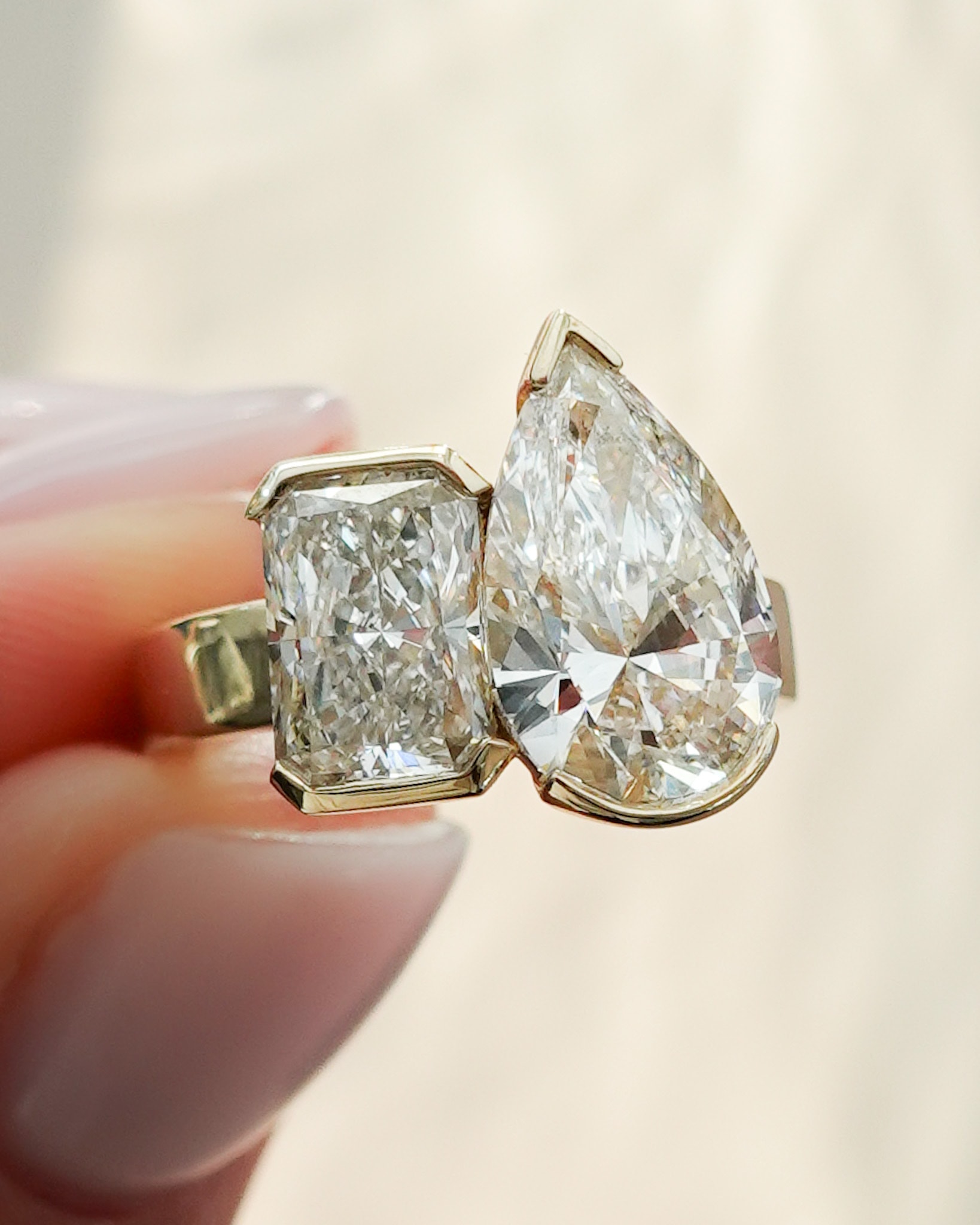
Jewelry & Engagement Rings
The most well-known application. Consumers love the ability to afford premium carat sizes, unique fancy colors, and ethical origin stories.
Precision Industry
LEDs, high-performance electronics, and quantum sensing often leverage lab-grown diamonds — especially those with specialized doping (like boron for conductivity).
Research & Technology Development
Lab grown diamonds HPHT, lab created diamonds are vital in high-pressure experimental setups, laser systems, and advanced optical applications.
A Glossary of Related Terms
To foster deeper understanding, here’s a list of contextually relevant vocabulary you might encounter when reading about these diamonds:
- Seed Substrate: The original diamond crystal that starts growth.
- Crown/Pavilion: Faceting regions defining a diamond’s brilliance.
- Fancy Colors: Shades like blue, pink, or yellow, achieved naturally or via introduced elements during growth.
- Nitrogen/Vacancy (NV) Centers: Atomic-scale defects useful in quantum computing and sensing — common in both natural and lab-grown diamonds.
- Annealing: Heat treatment post-growth to reduce stress or improve color.
- Irradiation: Exposure to radiation to alter color; often followed by annealing for stability.
- Carat Weight: Diamond mass measurement — 1 carat equals 200 milligrams.
- Clarity Grading: Measures inclusions; ranges from Flawless (FL) to Included (I3).
Future Outlook: Where Lab Created Diamonds Are Headed
Scaling Up & Lower Costs
As production methods improve, unit costs continue to drop — making colorless high-carat diamonds increasingly affordable.
Customization & Personalization
Growing bespoke diamonds — perhaps etched or layered with design — may redefine how couples commemorate relationships or how designers and brands express creativity.
Green Energy Synergy
As diamond labs pivot more toward sustainable energy and efficiency, the eco-friendly narrative strengthens, appealing to environmentally conscious consumers.
Increased Retail Presence
More jewelers and major chains now offer lab-grown collections, demystifying the technology and elevating its retail legitimacy.
Conclusion
Lab grown diamonds HPHT, lab created diamonds are far from just a passing trend — they represent a monumental shift in how humans approach luxury, ethics, and innovation. These gems deliver the brilliance and permanence we cherish, with a significantly reduced environmental footprint and a transparent supply chain. Whether you are choosing an engagement ring, exploring industrial applications, or indulging in fancy-colored brilliance, these lab-grown jewels offer stunning value, performance, and peace of mind. As certification systems advance and technology continues to improve, the appeal of lab created diamonds only deepens — ushering in a future where sustainable sparkle reigns supreme.